Lyme & Tick-Borne Illness Testing
Lyme disease is sometimes called “the great imitator” because it can show up looking like dozens of other conditions. This can be chronic fatigue to fibromyalgia and even anxiety. The blood testing we use looks beyond the standard, often-missed conventional screens to identify Lyme along with the co-infections that frequently come with it, so you can finally have a clear answer about what’s really driving your symptoms.
What you should know about Lyme testing

What it measures
Lyme (Borrelia) antibodies, common co-infections including Babesia, Bartonella, Anaplasma, Ehrlichia, and Rickettsia, plus markers of immune activation. We use labs that go beyond the standard two-tier CDC panel, which can miss chronic and late-stage infections.

Symptoms that suggest testing
A bull’s-eye rash or any unexplained rash, fevers that come and go, joint pain that moves around, sudden mood changes or anxiety, brain fog, memory problems, headaches, sleep disturbance, sensory changes, neurological symptoms like tingling or numbness, and that bone-deep feeling of being unwell with no clear cause.

What we’ll do with results
We’ll look at your antibody patterns, your symptom history, and your timeline together to understand what we’re dealing with. Treatment for Lyme is rarely one-size-fits-all — it’s almost always layered, supportive, and tailored to where you are right now in your healing.
When standard Lyme testing isn’t enough
The conventional two-tier Lyme test (ELISA followed by Western Blot) misses a significant percentage of cases, especially in people with chronic or late-stage infection. Antibody patterns shift over time, and standard panels were not designed to catch the more nuanced presentations. The testing we use is more sensitive, looks at additional bands, and screens for the co-infections that often travel with Lyme.
If you’ve been told your Lyme test was “negative” but you still don’t feel right, this is often a worthwhile next step.
Common Questions about Lyme Testing
Possibly, yes. The standard two-tier test misses a meaningful percentage of cases, particularly chronic and late-stage Lyme. If your symptoms fit and your gut tells you something is being missed, more comprehensive testing can give you a clearer answer.
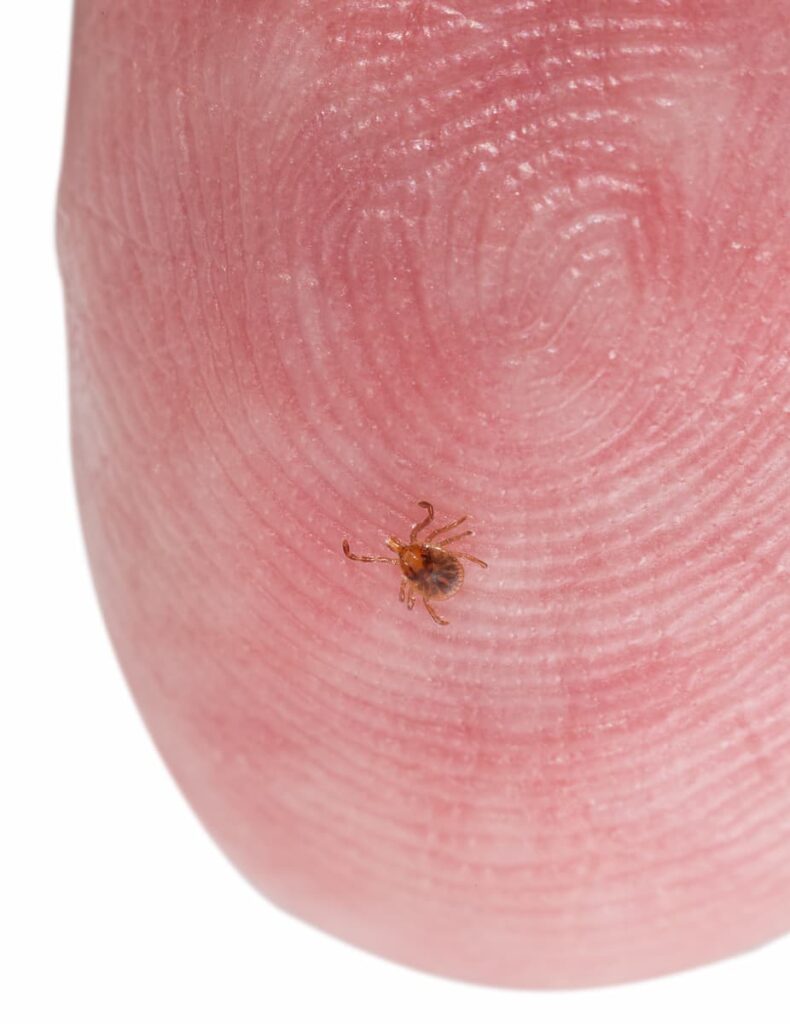
No. Many people with Lyme have no memory of a tick bite or a rash. Ticks at any stage of life can transmit infection, and the youngest ones (nymphs) are often the size of a poppy seed, which is very easy to miss completely.

A positive result is actually a turning point; finally, you have a name for what’s been going on. From there we build a careful, supportive protocol that addresses the infection, calms the immune response, and supports the systems Lyme tends to stress (gut, mitochondria, nervous system). It’s a journey, but you don’t walk it alone.
Chronic Lyme isn’t something we “blast” with one prescription and call done; it has had time to settle in, and your body has likely been compensating for a while. Together we build a layered protocol that does a few things at once: address the infection itself (often with a combination of herbal antimicrobials and, when appropriate, conventional medications including antibiotics, we decide this together and choose what works for you), open up your drainage pathways (liver, lymph, kidneys, and gut) so your body can actually clear what we’re stirring up, calm the immune dysregulation that chronic Lyme tends to create, and support the systems Lyme stresses most, which surprice, is your gut. It also disrupts the mitochondria and nervous system. We will address those as well. We move at the pace your body can handle, to avoid the “Herxheimer” reactions that make people give up too soon. Some clients feel meaningful improvement within a few months; others need more time. Either way, you’ll have a clear plan, regular check-ins, and someone walking alongside you the entire way.

We love making people feel BETTER!
With highly trained practitioners, including a Nurse Practitioner with over 20 years of experience in clinical medicine. We consider the whole person and focus on uncovering the cause of your symptoms.